How Central Ohio Weather Really Impacts Asphalt Shingle Roofs
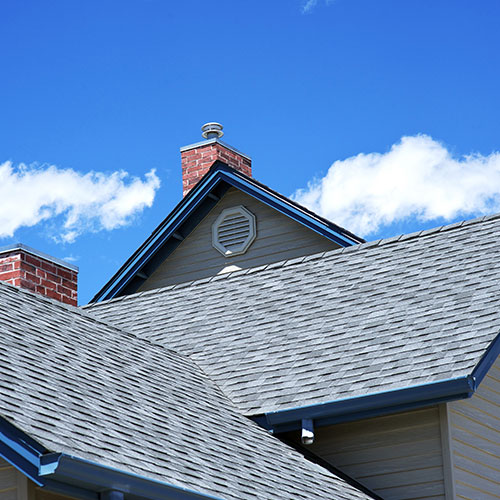
Asphalt shingle roofs work hard in Columbus, OH, but spring hail, fast-moving summer storms, and winter freeze-thaw cycles all push shingles to their limits. If you want a longer-lasting, better-looking roof, it helps to understand how our weather wears on materials, sealants, and fasteners. When it is time to explore options or an inspection, learn more about roof shingles and how the right system protects your home.
Why Columbus Weather Is Tough On Asphalt Shingle Roofs
Columbus sits in a collision zone for air masses. Warm, moist air from the Gulf meets cold Canadian fronts, which fuel fast temperature swings and powerful wind events. In neighborhoods like Clintonville, German Village, and Westerville, that mix creates stress that adds up over time.
Here is what your roof faces most years in Central Ohio:
- Freeze-thaw cycles that expand and contract the roof deck and shingles, loosening granules and weakening seal strips.
- High UV in late spring and summer that bakes oils out of asphalt, making shingles brittle by late season.
- Southwest winds that can lift tabs along ridges and edges, especially on older or poorly sealed shingles.
- Hail that bruises the mat, dislodges protective granules, and sets up early aging.
Each factor might seem small in a single event. Together, they shorten the service life of even quality shingles unless the roof is properly designed, installed, and ventilated by a trusted roofing contractor.
Hail And Wind Roof Damage In Columbus: What It Looks Like
After spring and summer storms in Hilliard, Dublin, and Gahanna, homeowners often notice subtle changes. Some hail impacts are obvious, but many are not. Damage can be cosmetic at first, then become functional as water works its way into the system. Watch for these red flags from the ground or from a safe window view:
- Random dark spots or speckled areas where granules are missing, especially below valleys and near downspouts.
- Edges that look lifted or curled after a strong southwest gust, often along eaves and rakes.
- Creased tabs that flexed in the wind, leaving a faint line across the shingle surface.
- Shingles that appear shiny in patches where granules were knocked away by hail.
Do not ignore missing shingles or soft spots in ceilings. Even small openings can allow water to travel along the decking and show up in rooms away from the entry point. A professional evaluation can determine whether issues are cosmetic or if the roof’s water-shedding ability is compromised.
When storms roll through Upper Arlington or Reynoldsburg, an inspection by a local specialist helps you decide the next steps. If repairs or replacement come up, your estimator can explain material options and system upgrades that improve wind resistance and impact performance for Central Ohio conditions.
Temperature Swings And Shingles: How Expansion And Contraction Shorten Lifespan
Central Ohio’s shoulder seasons are hard on roofs. A 35-degree morning can turn into a 65-degree afternoon. That daily expansion and contraction flexes shingles, flashing, and fasteners. Over the years, this cycle weakens adhesion and can open fine gaps around penetrations.
Attic conditions matter too. Poor ventilation traps heat in summer and moisture in winter. That combination accelerates aging, bakes the underside of shingles, and increases the risk of winter condensation that can harm the roof deck. A quality roof system includes balanced intake and exhaust, a sealed underlayment strategy, and flashing details suited for our climate. Skipping ventilation or underlayment upgrades is a false economy because weather pressure finds the weak link first.
If your home has complex rooflines, which are common in newer builds around Powell and New Albany, valleys and transitions see concentrated water and ice. That is where expansion stress and ice formation tend to show early wear. A detailed inspection will focus on those high-load zones.
Ohio Roofing Lifespan Expectations: What Homeowners Should Know
Every roof ages differently, but patterns in Columbus are consistent. Entry-level three-tab shingles can wear sooner when exposed to hail and persistent southwest winds. Architectural shingles with reinforced mats and advanced sealants usually age more gracefully. Installation quality, attic ventilation, shade, and storm frequency all play a role.
Many Central Ohio homeowners expect a general service window measured in decades rather than years, but storm clusters can change the timeline. If your roof has reached the middle of its expected life and has seen multiple hail events, a professional assessment is smart. Reach out to our first-rate roofing contractors in Columbus, OH to learn more about the materials we use and how we design our roofing services.
When you need broader help, explore our full roofing services to see how system components work together for longevity and reliability.
Seasonal Timeline For Asphalt Shingle Roofs In Central Ohio
Think of your roof like a marathoner running through four different courses each year. The terrain changes, so the strategy must adjust. Here is a simple way to picture the yearly cycle in Columbus:
Late Winter To Early Spring: Freeze-thaw continues, and storms begin. Seal strips reactivate as temperatures rise. Hail risk starts to increase. Pay attention to tree limbs that may rub shingles when spring winds arrive.
Late Spring To Mid-Summer: UV exposure peaks. Afternoon pop-up storms deliver heavy rain and wind. Granule loss and lifted edges are most likely to appear after these events.
Late Summer To Fall: Bigger day-night temperature swings test shingle flexibility and sealant bonds. Leaves can add load and hold moisture in valleys and behind dormers.
Early Winter: Ice formation begins around eaves and in shaded valleys. Small gaps at flashing can allow meltwater to back up. Materials contract and become more brittle during cold snaps.
Good water management keeps pressure off shingles during these transitions. If stormwater overwhelms the perimeter, consider the role of gutters and downspouts in protecting fascia, soffit, and the roof edge.
Never climb a wet or icy roof. Columbus weather changes fast, and surfaces can become slick without warning. Stay on the ground and let a trained roofing contractor evaluate conditions safely.
When To Call A Roofing Contractor In Columbus
Timing matters. After a hailstorm in Worthington or a fast gust front along the Scioto, a prompt professional look helps you avoid hidden moisture problems. Here are practical reasons to bring in a pro:
- Your roof is approaching its expected lifespan and has seen multiple wind or hail events.
- You spot lifted tabs, missing ridge caps, or shingle edges that do not sit flat after warm days.
- Interior ceilings show new stains after heavy rain, even if they dry out later.
- Neighbors on similar timelines are replacing roofs after recent storms.
Avoid door-to-door storm chasers who pressure you to make quick decisions. Choose a local company that understands Columbus building styles, city trees, and wind patterns. Ask about materials rated for impact and higher wind uplift to match our climate’s demands.
How GKG Roofing Inc. Inspects And Protects Asphalt Shingle Roofs
Reliable roofing starts with a methodical assessment. A qualified GKG Roofing Inc. specialist checks slopes, ridges, valleys, penetrations, and flashing transitions where problems often begin. We look for creases, bruising, and granule displacement that point to storm-related wear. In many homes across Bexley, Northwest Columbus, and Grandview, we also evaluate attic airflow and insulation balance because that affects shingle durability year-round.
When repairs or replacement make sense, your estimator will explain shingle choices, underlayment options, and ventilation strategies that fit Central Ohio weather. Impact-rated and high-wind shingles can help resist hail and gusts. Ice and water protection is prioritized in valleys and eaves where freeze-thaw concentrates stress. If storms also scuffed exterior cladding, coordinated solutions are available through our siding services so your home performs and looks consistent.
If you are comparing materials, take time to understand the full roof system. The best shingle will not perform without the right components and installation. That includes starter courses, ridge accessories, flashings, and balanced ventilation tailored to your home’s shape and surroundings.
Choosing The Right Shingle For Columbus, OH Conditions
Not all shingles are built the same. Consider how each option responds to the pressures we see in Franklin and Delaware counties. Architectural shingles generally offer thicker mats and better wind performance than basic three-tab products. Some lines include features designed to help resist hail bruising and edge lift in gusts.
Color matters too. Darker roofs absorb more heat on sunny July afternoons in Central Ohio. Lighter shades can help lower surface temperatures, which reduces thermal stress. Granule technology has also improved, helping reflect UV and keep shingles from drying out as fast during heat spikes.
Beyond materials, local installation expertise is crucial. Ridges, hips, and penetrations must be detailed to shed water during driving rain. Valleys should be designed for the volume we get when saturated air meets a cold front over Columbus. Small shortcuts during installation become big problems during the first severe storm, so choose a team that builds for weather, not just for looks.
Make Your Roof Work For Columbus Weather
Your roof is your home’s shield. Central Ohio’s mix of hail, wind, and temperature swings is a tough opponent, but the right shingle system and a careful installation plan can shift the odds your way. If you want to see which products fit your house and neighborhood, review our page on roof shingles to understand design choices that stand up to local storms.
Ready For A Weather‑Smart Roof In Columbus?
Protect your home with a roof built for Central Ohio’s reality. Schedule a visit with GKG Roofing Inc. and talk with a local expert who knows our storm patterns and building styles. Call us at 614-745-7650 or request an appointment through our site. For details about shingle types and system design, start with our guide to roof shingles and choose a solution that lasts.
Keep Your Home Safe and Dry! Contact Our Columbus Roofers Today!
Or Fill Out Our Quick Form!